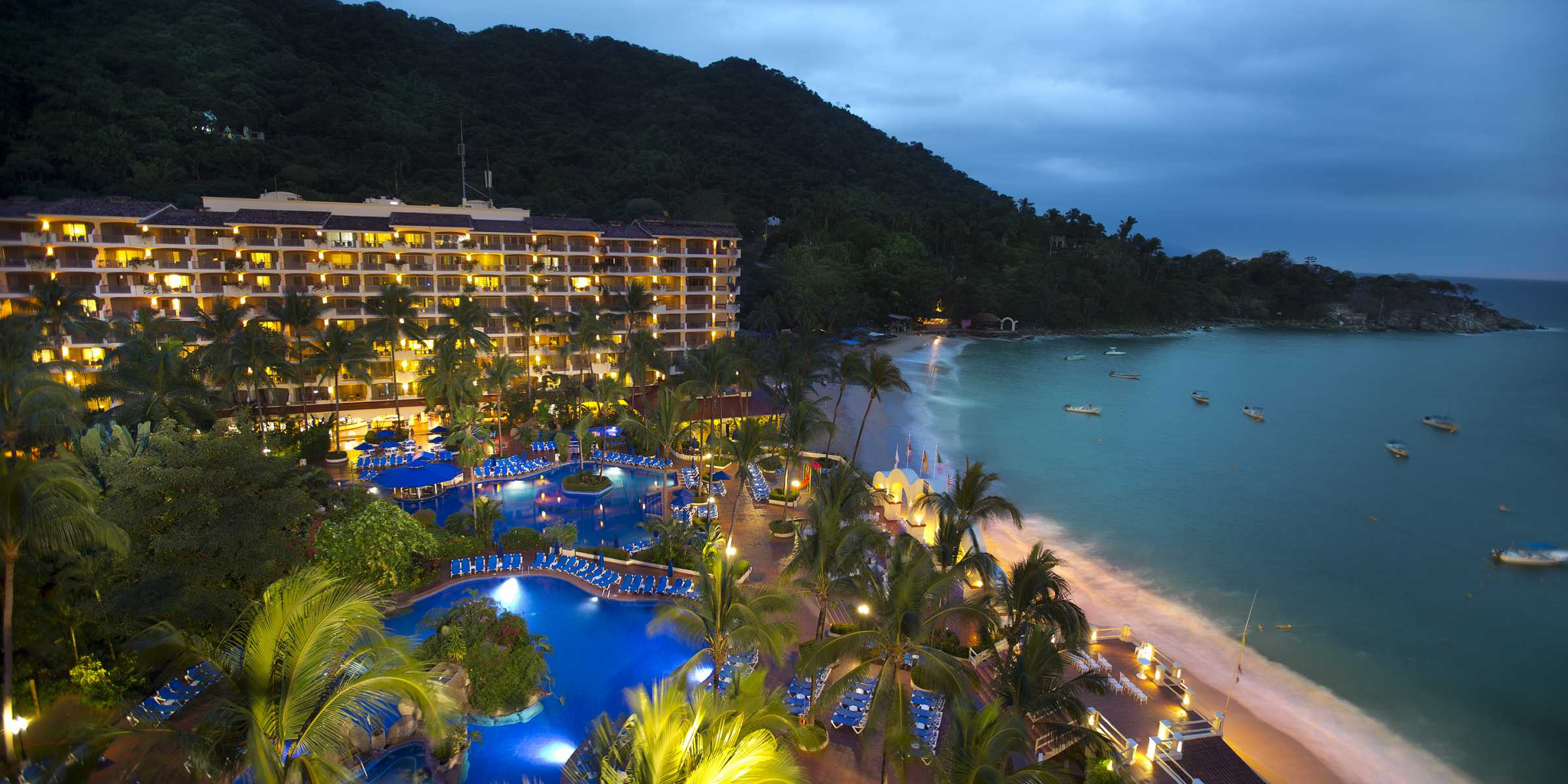
Nestled against the majestic backdrop of the Italian Alps in Lombardy, Lake Como has long served as a sanctuary of refined beauty, dramatic natural scenery, and historic grandeur. Shaped like an inverted letter “Y,” this legendary alpine lake is bordered by pastel-hued villages, lush terraced gardens, and grand aristocratic villas that have drawn artists, writers, and royalty for centuries.

Traveling to Lake Como is more than a standard holiday; it is an immersion into a slower, more romantic pace of life. Whether you are navigating its tranquil waters by wooden boat, exploring historic estates, or dining on fresh regional dishes overlooking the lake, Lake Como delivers an unforgettable European escape.
The Top Towns along the Shore: Where to Stay and Explore
While the entire lake spans over fifty square miles, much of its charm is concentrated around the central branch where the three arms meet. Selecting the right base depends … Read more